


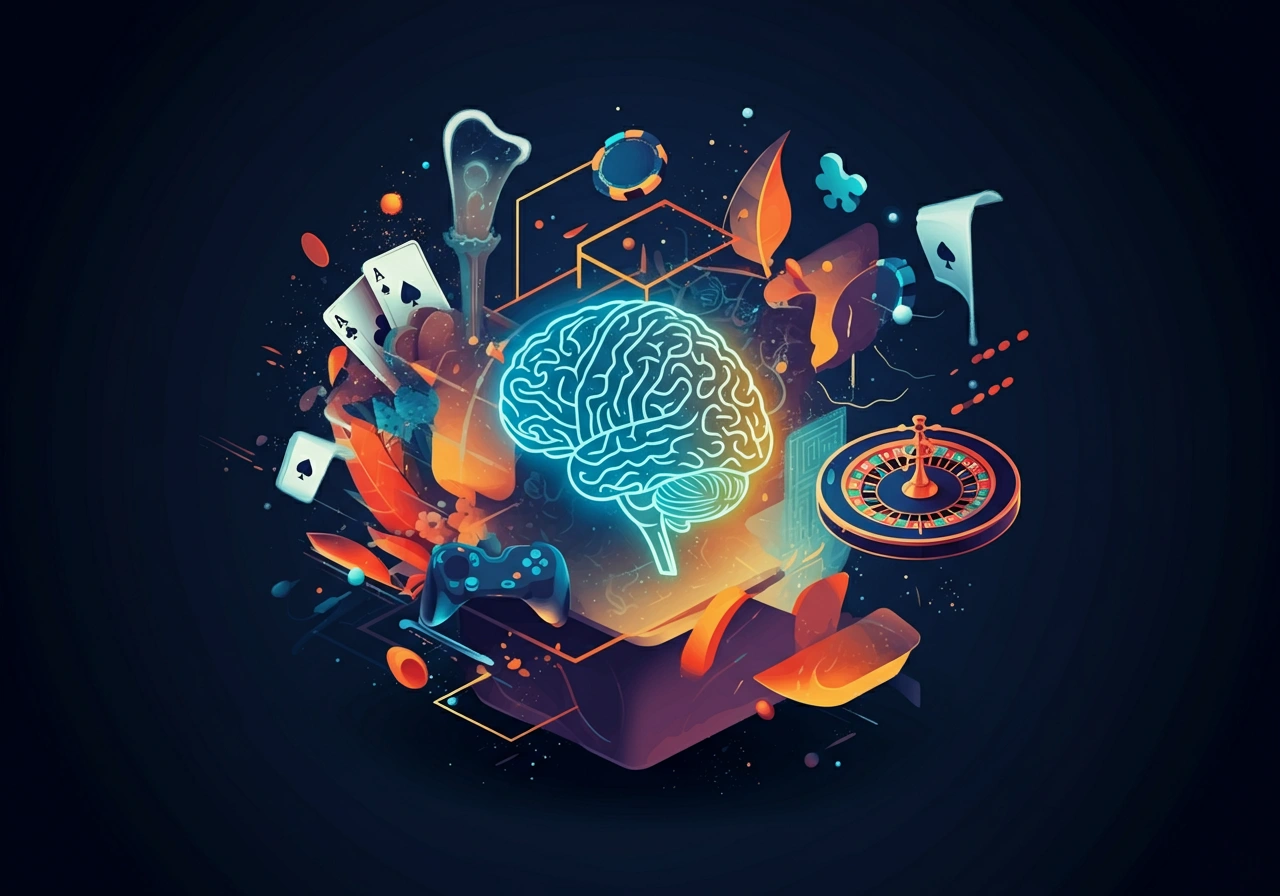
Have you ever wondered what makes online games so captivating? From the simple satisfaction of matching colorful gems to the complex strategy of a virtual poker tournament, iGaming holds a powerful attraction for millions worldwide. This pull isn’t accidental; it’s deeply rooted in human psychology. Understanding the science behind why we play reveals a fascinating intersection of brain chemistry, social needs, and our innate desire for challenge and reward.
This article explores the core psychological drivers that make iGaming a global phenomenon. We will delve into the powerful reward systems that keep us engaged, the social connections we build in virtual worlds, and the allure of escapism. By examining these elements, we can gain a clearer picture of both the appeal and the complexities of the digital playground.
The Brain on Games: The Dopamine Effect
At the heart of iGaming’s appeal is a powerful neurotransmitter: dopamine. Often called the “feel-good” chemical, dopamine is more accurately associated with motivation, anticipation, and reinforcement. It’s the chemical that tells your brain, “This is important. Pay attention and do it again.” iGaming platforms are masterful at creating environments that trigger consistent dopamine releases.
This process is often driven by what psychologists call a Variable Ratio Reinforcement Schedule. Think of a slot machine. You don’t win on every pull (a fixed schedule), but you know a win is possible at any moment. The unpredictability is key. The anticipation of a potential reward—whether it’s a jackpot, a rare item, or leveling up—is often more potent than the reward itself. Each spin, each bet, and each opened loot box creates a surge of anticipatory dopamine, compelling you to continue playing.
This isn’t just limited to games of chance. Strategy games reward players with dopamine for successfully executing a plan. Puzzle games provide a hit when you finally solve a difficult level. The near-miss effect—where you almost achieve a goal—is particularly powerful. Coming just short of a win doesn’t always feel like a failure; instead, it triggers a strong urge to try again, fueled by the belief that success is just around the corner.
The Power of Progress and Achievement
Humans have an intrinsic need for competence and accomplishment. We want to feel effective and see tangible results from our efforts. iGaming platforms are designed to fulfill this need with remarkable efficiency, providing a clear and constant sense of progress.
Leveling Up and Unlocking Rewards
One of the most common mechanics in iGaming is the experience point (XP) and leveling system. Every action, from winning a hand of cards to completing a daily challenge, contributes to a progress bar. Watching that bar fill up and “ding” to the next level provides a satisfying feeling of achievement. It’s a clear, visual representation of your time and skill paying off.
This system is often paired with an escalating series of rewards. Players unlock new abilities, cosmetic items, access to exclusive areas, or higher-stakes tournaments. This creates a compelling loop:
- Set a Goal: Reach the next level or unlock a specific item.
- Engage: Play the game to earn XP or currency.
- Achieve: The goal is met, triggering a sense of accomplishment.
- Receive Reward: A new, more distant goal appears, and the cycle repeats.
This structured progression gives players a sense of purpose within the game world that may sometimes be lacking in their real lives. The goals are clear, the rules are defined, and the rewards are guaranteed if you put in the effort.
Skill Mastery and Control
Beyond simple progression, iGaming offers a platform for skill mastery. Games like online chess, poker, and competitive esports require deep strategic thinking, quick reflexes, and an ability to read opponents. The journey from novice to expert is a powerful psychological draw.
Achieving mastery in a game provides a profound sense of control and competence. In a world where many factors are outside our influence, the game environment is a place where rules are consistent and skill is rewarded. This feeling of agency—the power to make decisions that directly impact outcomes—is a significant motivator that keeps players invested for hundreds or even thousands of hours.
Escapism and Immersion
Life can be stressful and demanding. iGaming offers a powerful form of escapism, providing a temporary retreat from real-world anxieties and responsibilities. When you’re focused on your next move in a strategy game or the turn of a card, your mind is diverted from work pressures, personal problems, and daily routines.
This is enhanced by the state of “flow,” a concept identified by psychologist Mihaly Csikszentmihalyi. Flow is a state of complete absorption in an activity. During flow, you lose track of time, your sense of self diminishes, and you are fully immersed in the challenge at hand. iGaming is exceptionally good at inducing this state. The balance of challenge and skill is crucial; the game must be difficult enough to hold your attention but not so hard that it becomes frustrating.
Virtual worlds also allow players to adopt different personas. You can be a daring adventurer, a master strategist, or a high-rolling card shark. This identity play can be liberating, offering a break from the constraints and expectations of your everyday self. For a few hours, you can experience a different life, one filled with more excitement, power, or freedom.
The Social Connection
While gaming was once seen as a solitary hobby, modern iGaming is a deeply social experience. Many platforms are built around communities, connecting millions of players from around the globe. This social element taps into our fundamental human need for belonging and connection.
Community and Teamwork
Multiplayer games, from poker tables to large-scale strategy games, foster a sense of community. Players form guilds, teams, and alliances, working together to achieve common goals. This collaboration builds camaraderie and a sense of shared identity. Your online teammates can become genuine friends, people you celebrate victories with and rely on for support. These social bonds are a powerful retention tool; people often keep playing a game not just for the gameplay but to spend time with their online friends.
Competition and Social Status
On the other side of collaboration is competition. The desire to climb leaderboards, achieve a high rank, and earn bragging rights is a potent motivator. In the context of the game, your rank and achievements represent a form of social status. This taps into our innate desire to compare ourselves to others and establish our place within a social hierarchy. The competitive thrill of outsmarting an opponent or proving your skill provides a powerful emotional payoff.
A Balanced Perspective
The psychology behind iGaming is complex, and its effects can be both positive and negative. On one hand, iGaming provides entertainment, cognitive challenges, and genuine social connections. It can improve problem-solving skills, enhance strategic thinking, and offer a healthy outlet for stress. For many, it is a rewarding and enjoyable hobby.
However, the same psychological mechanisms that make games engaging can also lead to problematic behavior for a vulnerable minority. The powerful reinforcement schedules can create compulsive loops, where a player feels an uncontrollable urge to continue playing despite negative consequences in their life. The line between passionate hobby and unhealthy obsession can become blurred when gaming starts to interfere with work, relationships, and well-being.
It is vital for both players and the industry to promote responsible gaming. This includes being aware of the time and money spent, recognizing the signs of compulsive behavior, and utilizing tools like deposit limits or self-exclusion options when necessary. Understanding the psychology at play empowers users to engage with iGaming in a way that is healthy, balanced, and genuinely fun.
Conclusion: More Than Just a Game
The reasons we play are as diverse as the games themselves. We play for the thrill of anticipation, the satisfaction of achievement, the escape from reality, and the connection with others. iGaming platforms are masterful constructions of psychological principles, designed to create engaging and compelling experiences that tap into fundamental human desires.
By understanding the science behind the fun, we can appreciate iGaming not just as a form of entertainment, but as a sophisticated reflection of our own minds. This knowledge allows us to navigate these digital worlds more consciously, ensuring that our time spent playing remains a positive and enriching part of our lives.
You may also visit this website บาคาร่า
