


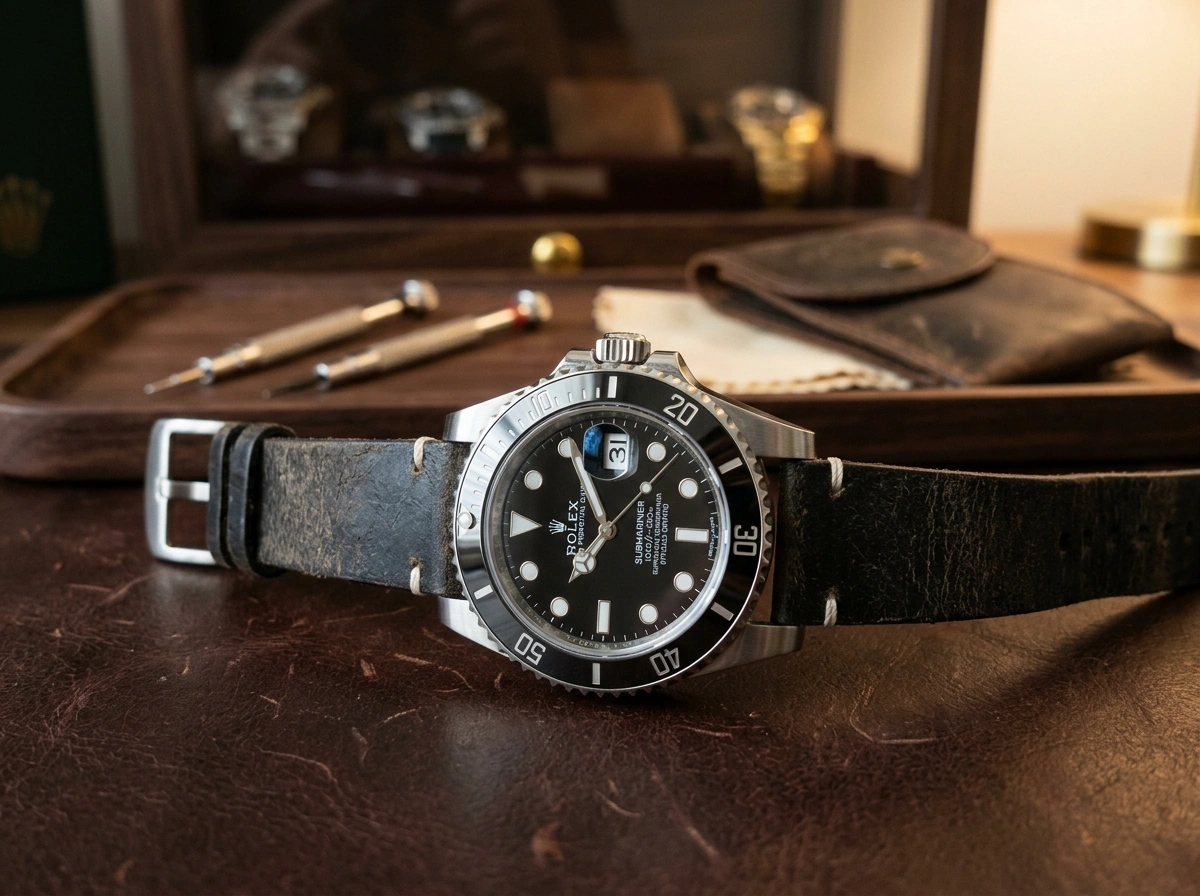
A decade ago, the phrase “replica watch” usually brought to mind cheap, obvious knockoffs sold from suitcases on street corners. That image has faded. A new category—often called super clones—has captured the attention of serious watch enthusiasts, hobbyists, and curious collectors alike. These are highly detailed reproductions designed to mirror the look, weight, and finishing of luxury timepieces with surprising accuracy.
This shift hasn’t happened by accident. Several factors have combined to push these watches into mainstream conversation, especially within Rolex-focused communities. Below, we’ll explore what’s driving the trend, why people find these watches compelling, and how changing attitudes have shaped the market.
What “Super Clone” Actually Means
The term “super clone” refers to high-grade reproductions built to match an original far more closely than older replicas ever could. Manufacturers focus on details that previous knockoffs ignored: case proportions, dial printing, bezel action, and even the rotor movement inside.
For example, an entry-level replica might use a generic quartz movement and a flat, lifeless dial. A super clone aims for an automatic movement, correct lume application, and accurate engraving. The gap in quality between these two tiers is enormous, and that gap explains much of the renewed interest.
Key takeaway: “Super clone” describes a quality level, not just a copy. That distinction matters to enthusiasts who care about the finer points.
Craftsmanship Has Improved Dramatically
The biggest reason for rising popularity is simple: the products got better. Advances in manufacturing, machining, and quality control have raised the bar across the board.
Closer Attention to Detail
Modern reproductions often replicate small features that fans obsess over—cyclops magnification, crown guards, clasp engravings, and the texture of a sunburst dial. Enthusiasts who handle these watches frequently note how close the finishing has become compared with earlier generations.
Better Movements
Movement quality has also climbed. Some super clones now use clones of in-house calibers rather than basic stand-ins. While they rarely match the long-term reliability of a genuine Rolex movement, the day-to-day performance has improved enough to satisfy casual wear.
Bottom line: Better tooling and tighter standards transformed these watches from obvious fakes into convincing reproductions, and that progress fuels demand.
Affordability Compared With Luxury Originals
Price is the most obvious driver. A genuine Rolex sports model can cost tens of thousands of dollars on the secondary market, often with long waitlists at authorized dealers.
By contrast, a super clone costs a tiny fraction of that figure. For someone who admires a particular design but can’t justify—or simply can’t access—the original, this price gap is impossible to ignore. The appeal isn’t only about saving money; it’s about access to a look that’s otherwise gated behind scarcity and steep premiums.
Consider a young collector who loves the aesthetics of a stainless steel chronograph but faces a multi-year waitlist. A close reproduction lets them enjoy the design today without committing to a major financial outlay.
Collector Curiosity and the “Study Piece” Angle
Not every buyer is trying to deceive anyone. Many enthusiasts treat these watches as study pieces—objects to examine, compare, and understand.
Watch collecting is partly an education in finishing, proportions, and engineering. Owning a reproduction lets hobbyists explore how a design feels on the wrist without risking a five-figure asset. Some collectors use them to “test drive” a model before buying the genuine article.
This curiosity-driven angle has become a legitimate part of the conversation. Communities dedicated to discussing these watches, such as resources covering super clones rolex, reflect how detailed and analytical the hobby has become.
Reader checkpoint: If you’re drawn to a watch mainly to study its design and feel, that interest is common and understandable—even if it raises ethical questions worth weighing.
Visual Accuracy That Fools the Eye
Visual fidelity sits at the heart of the appeal. The best reproductions are difficult to distinguish from originals at a glance, and sometimes even under closer inspection.
Dial alignment, font weight, bezel coloring, and bracelet taper have all improved. For wearers who want the aesthetic impact of a recognizable design, that accuracy delivers exactly what they’re after. The watch reads as the “real thing” in everyday social settings, which is precisely the outcome many buyers seek.
This accuracy also feeds online content. Side-by-side comparison videos and macro photography have become popular, turning the pursuit of visual precision into a hobby of its own.
Social Signaling and Perception
Watches communicate status, taste, and identity. A well-known luxury design carries cultural weight, and some people want that signal without the corresponding cost.
This is delicate territory. Wearing a reproduction to imply ownership of a luxury piece raises honesty concerns, and many enthusiasts draw a firm line here. Still, the social dimension undeniably drives interest. The desire to project a certain image—rightly or wrongly—remains a powerful motivator in fashion and accessories generally.
It’s worth acknowledging this factor honestly rather than pretending it doesn’t exist. Social signaling is real, even if it’s not the most admirable reason on the list.
The Role of Online Communities
The internet transformed this market. Forums, social media groups, and dedicated review sites gave buyers information that simply didn’t exist before.
Shared Knowledge
Enthusiasts now compare sellers, document quality differences, and warn each other about poor products. This collective knowledge raised buyer expectations and pushed manufacturers to improve.
Visibility and Normalization
Constant online discussion also normalized the topic. What was once whispered about is now openly debated, reviewed, and rated. That visibility lowered the social barrier to entry and brought in newcomers who might never have explored the category otherwise.
Mini-summary: Online communities turned a fragmented, secretive market into an organized, information-rich space—and that transparency accelerated growth.
Changing Consumer Attitudes
Broader shifts in how people view luxury have also played a part. Younger consumers tend to prioritize experience and aesthetics over traditional notions of exclusivity and ownership.
For some, the idea of paying enormous sums for a logo or a name feels outdated. They value the design, the engineering story, and the look—and they’re comfortable separating those qualities from the brand’s price tag. This pragmatic mindset makes high-quality reproductions more palatable than they would have been to previous generations.
At the same time, frustration with limited availability and inflated resale prices has pushed some enthusiasts to look elsewhere. When the official path feels closed off, alternatives gain appeal.
Weighing the Other Side
A balanced view requires acknowledging the downsides. Reproductions raise real concerns around intellectual property, ethics, and quality assurance. Buyers face risks like unreliable sellers, inconsistent products, and no genuine warranty or service network.
There’s also the simple matter of authenticity. A reproduction will never carry the heritage, investment value, or craftsmanship guarantee of a genuine luxury watch. For many collectors, that difference is everything, and no amount of visual accuracy can replace it.
These trade-offs explain why the topic remains divisive. Popularity doesn’t equal universal approval, and thoughtful enthusiasts continue to debate where the lines should fall.
Conclusion
The growing popularity of super clone Rolex watches comes down to a blend of practical and cultural forces: dramatically improved craftsmanship, a steep price gap with originals, genuine collector curiosity, striking visual accuracy, social signaling, active online communities, and evolving consumer attitudes toward luxury.
Understanding these drivers helps explain why the conversation has moved from back alleys to mainstream forums. At the same time, the ethical and quality concerns are real and deserve honest consideration.
If you’re exploring this space, start by educating yourself: study the differences between genuine and reproduction pieces, read community discussions critically, and decide what you actually value in a watch. Whether you ultimately pursue an original or simply admire the designs, an informed perspective will always serve you better than hype.
